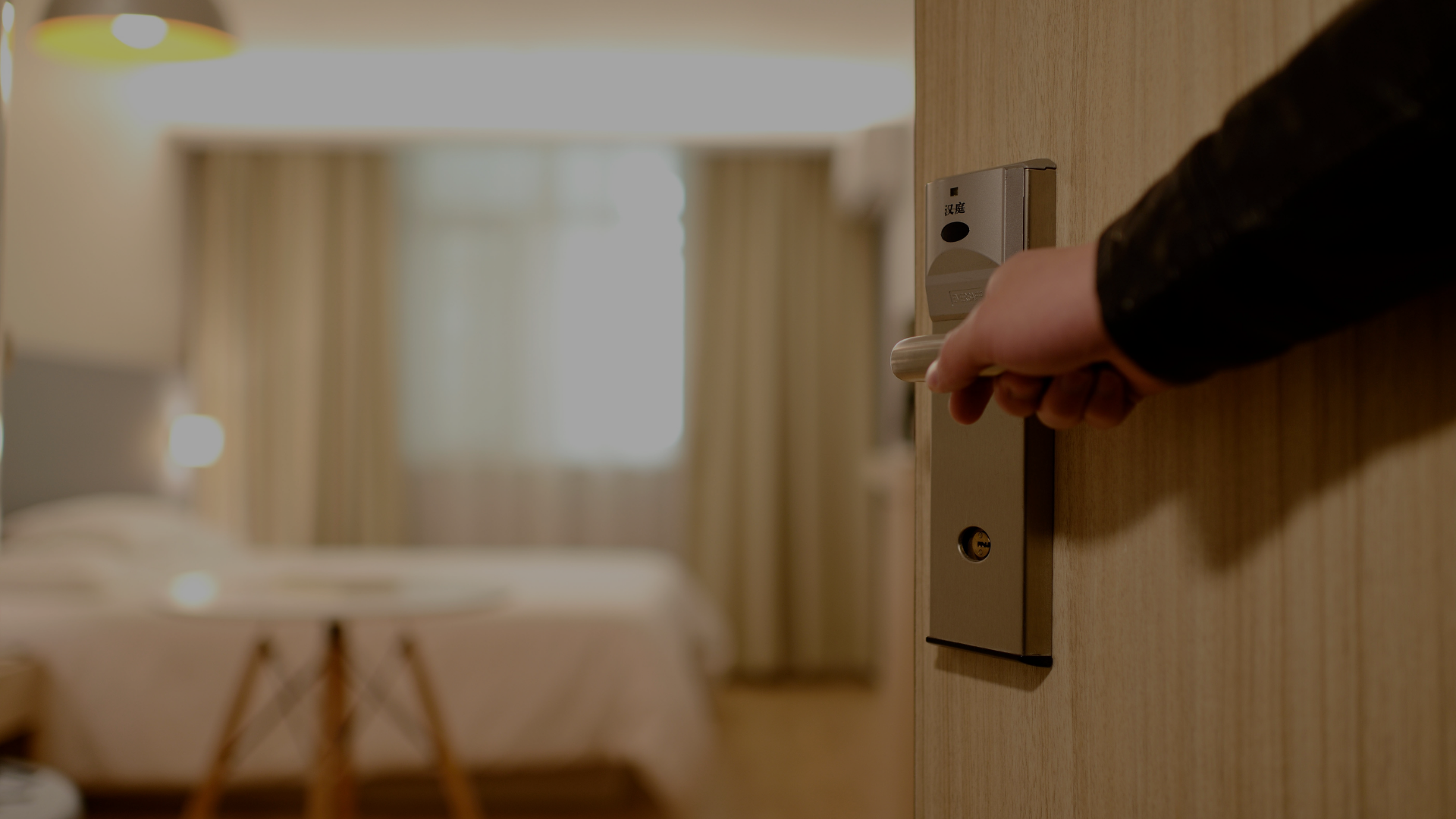
Guests don’t call the front desk anymore — they text, they expect an instant answer, and they judge a property before they’ve even checked in based on how easy it was to reach someone. For hotel IT managers, that shift means juggling phone systems, messaging tools, and contact center platforms that were never built to talk to each other. For general managers and ownership groups, it means a direct line between communication quality and revenue: a missed call is a missed booking, and a clunky guest experience shows up in the reviews.
2027 is the year these two pressures finally converge. The hospitality properties pulling ahead aren’t the ones buying more tools — they’re the ones consolidating onto a single, intelligent platform. Here’s what’s actually changing, and how Voysis, through its VoysisOne platform, is helping hotels, resorts, and hospitality groups get there without the complexity.
AI Agents Are Becoming the New Night Shift
One of the clearest hospitality communication trends heading into 2027 is the rise of AI agents handling routine guest requests — reservation confirmations, late checkout questions, amenity hours — without pulling a human off the floor.
For IT managers, this isn’t about replacing staff; it’s about deflecting the repetitive 60% of inbound requests so your front desk and reservations team can focus on the guest standing in front of them. An AI Agent built on Cisco-grade infrastructure means reliability isn’t a question — it’s answering calls and messages 24/7, even overnight when staffing is thinnest.
For CTOs and ownership, the math is simple: fewer abandoned calls during peak booking windows translate directly into recovered revenue, and reduced after-hours staffing costs improve margin without touching guest experience.
SMS Has Quietly Become the Primary Guest Channel
Guests increasingly expect to text a hotel the way they’d text a friend — “Can I get late checkout?” or “Is the pool still open?” — and they expect a fast, human-feeling response. Hospitality brands still routing everything through a single front-desk phone line are losing that guest before the stay even starts.
Modern SMS business messaging tools let properties centralize texting across teams — front desk, housekeeping, concierge — into one auditable system rather than scattered staff cell phones. That matters to IT managers for compliance and continuity; it matters to ownership because SMS response times are now a measurable driver of guest satisfaction scores and repeat bookings.
Contact Centers Are Replacing the Single Front-Desk Line
Multi-property groups and larger resorts can no longer run reservations, guest services, and group sales through one phone tree. The trend for 2027 is a proper contact center architecture — intelligent routing, real-time queue visibility, and reporting that shows exactly where calls are dropping.
IT managers get centralized administration across every property in the portfolio from one dashboard, with Cisco-backed uptime they can actually stand behind. CTOs get visibility into call volume, abandonment rates, and staffing needs — data that used to be a black box and is now a budgeting tool.
For independent properties or smaller front-desk teams, a lighter-weight call center setup delivers the same call-routing intelligence without the overhead of a full enterprise deployment — right-sized to the property.
Legacy PBX Systems Are Becoming a Liability, Not Just a Cost Center
Hospitality properties still running on-premise PBX hardware are hitting a wall in 2027: no remote management, no integration with modern messaging or AI tools, and increasingly scarce replacement parts. Migrating to a Cisco Webex-powered VoIP business phone system isn’t just a cost play anymore — it’s what makes every other trend on this list technically possible.
For IT managers, cloud telephony means one system to patch, monitor, and scale across new properties instead of a server closet per building. For CTOs, it converts unpredictable hardware capital expenses into a flat, forecastable operating cost — a detail that finance teams appreciate every quarter, not just at renewal time.
The Real Trend: Convergence, Not More Tools
The properties seeing the strongest results in 2027 aren’t stacking five vendors — they’re consolidating phone, SMS, AI, and contact center functions onto one platform where the data actually connects. A guest who texts about a late checkout and later calls the front desk shouldn’t have to repeat themselves. That continuity is the difference between a good stay and a forgettable one, and it’s only possible when the underlying systems were built to work together.
Why Hospitality Groups Trust Voysis
Voysis has spent 18+ years simplifying communications infrastructure for organizations that can’t afford downtime — and hospitality is exactly that kind of business. As the largest Cisco Elite Partner, Voysis brings enterprise-grade engineering and 24/7 support to properties of every size, backed by a Gartner® Peer Insights™ Customers’ Choice recognition for Cisco and a Forrester Total Economic Impact study showing up to 304% ROI over three years. Across more than 500 clients globally, Voysis maintains a 93–94% client satisfaction rate — a track record built on doing the complicated part so hospitality teams don’t have to.

The Bottom Line for 2027
In 2027, hospitality properties that consolidate phone, SMS, AI, and contact center functions onto one Cisco-backed platform will out-perform those juggling disconnected tools — delivering better guest experiences at a lower, more predictable cost. VoysisOne, powered by Voysis, is built to make that convergence simple.
Every guest interaction in 2027 is a test of whether your communications infrastructure can keep up — and legacy systems are failing that test more often. If your team is ready to see what a unified platform could mean for guest satisfaction and your bottom line, connect with the Voysis team for a complimentary consultation on AI Agent solutions for hospitality and discover what “simple” really looks like when it’s engineered right.